
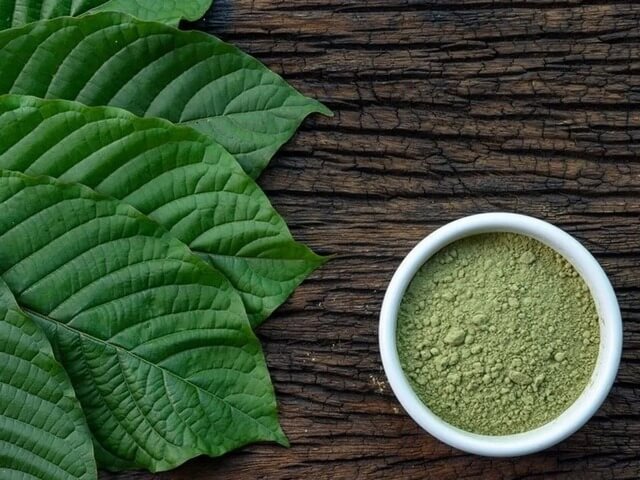
The kratom tree, also known as Mitragyna speciosa, is a plant that grows in Southeast Asia. It has a long history of use in traditional medicine and was only recently discovered in the Western world.
Usage history
The kratom tree has been used in traditional medicine in Southeast Asia for many years. Its leaves contain alkaloids that can have stimulating and sedative effects.
In addition, the kratom tree has been used to reduce pain, improve mood, and improve energy. However, there is currently insufficient scientific evidence to support these claims.
Potential side effects
Although the kratom tree is considered relatively safe, its use can cause a number of unwanted side effects when taken excessively and in the wrong dosage. Some of these include nausea, vomiting, loss of appetite and drowsiness.
Therefore, do not exceed the dosage!
Legality
The legality of the kratom tree is controversial in various countries. In the US, for example, the kratom tree is not illegal in most states, but it is banned or restricted in some.
In other countries, including Thailand, Malaysia and Australia, the kratom tree is banned in whole or in part. In Ukraine, there is no ban on the use of the Kratom tree, as well as the Blackberry mushroom, CBD oil, amanita powder and other additives.
Methods of use
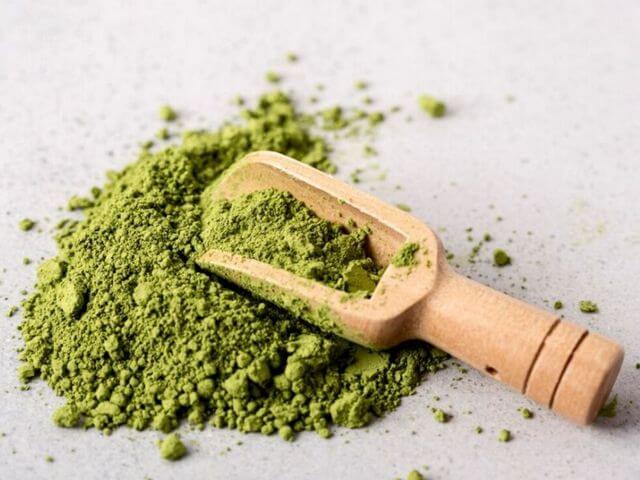
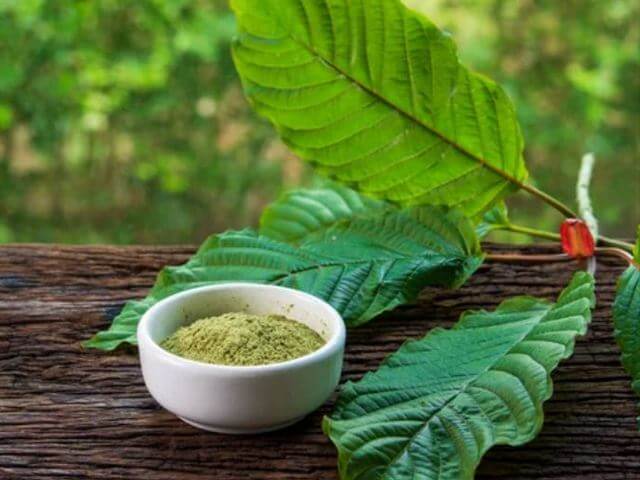
The kratom tree can be consumed in various forms, including raw leaves, powder, capsules, and extracts. Raw leaves can be chewed or brewed into tea.
Kratom tree powder can be added to drinks or food, and capsules and extracts can be taken as food supplements. However, it is necessary to remember the potential side effects and follow the instructions for use.
Conclusion
The kratom tree is a plant with a long history of use in traditional medicine in Southeast Asia. It has potential benefits such as stimulant and sedative effects.
Be smart about using Kratom leaves.

Write a comment