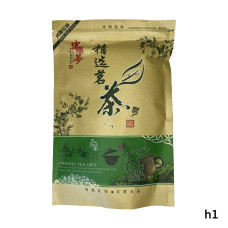

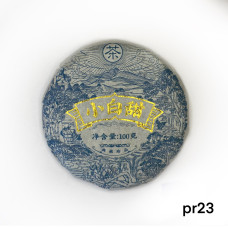
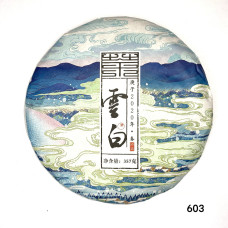
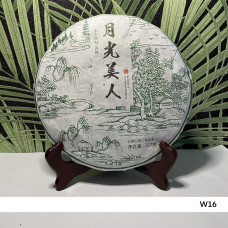
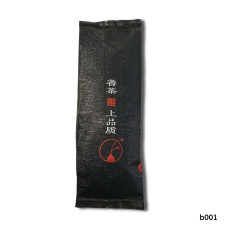

White tea is one type of tea that undergoes minimal processing after harvesting the leaves of the tea bush. This type of tea is considered the most natural and young of all types, because its leaves are harvested at an early stage of growth, usually in the spring. The name "white tea" comes from the white hairs on the unopened buds of the tea bush.
The main features of white tea:
-
Minimal processing: White tea leaves undergo minimal processing, which includes mild withering and drying. This allows you to preserve the natural taste and aroma characteristics of tea.
-
Light Color: White tea is usually light in color in the state, often tinged with green or silver tones.
-
Gentle taste: The taste of white tea is considered more delicate and complex than that of other types of tea. It can have floral, fruity or herbal notes.
-
Low in caffeine: White tea typically contains less caffeine compared to black or green tea, making it a good choice for those looking to cut back on caffeine.
Popular varieties of white tea are Baihao Yuecha (Silver Needle), Baimudan (White Peony) and Jinmudan (Golden Eyebrow). White tea is also often associated with the Chinese and Fujian (Chinese province of Fujian) tea traditions, but is produced in other regions as well.