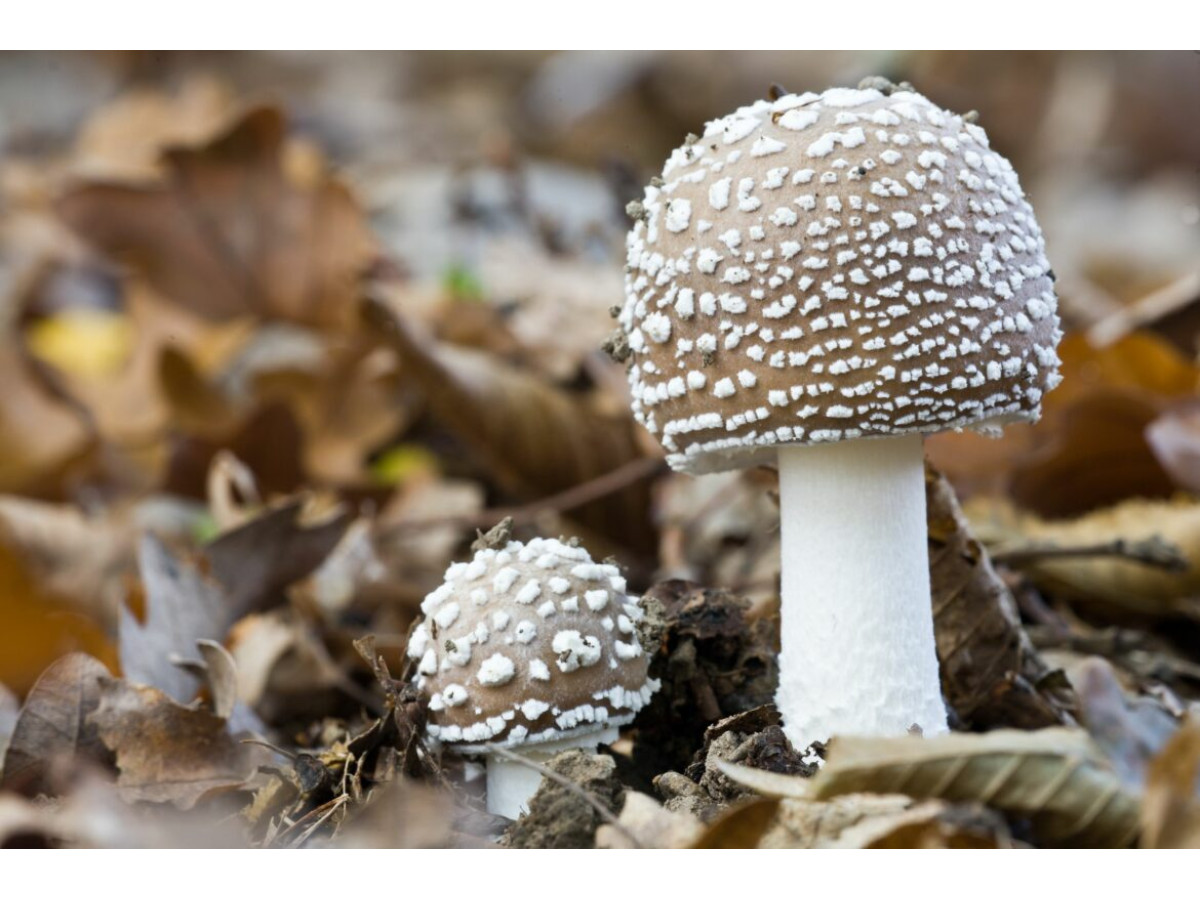
History and traditions of using fly agaric: shamanism, ethnomycology, myths
Mushrooms have attracted human attention since ancient times. Some of them were eaten, others were used in ceremonies and rituals. A special place among them is occupied by the red fly agaric (Amanita muscaria) - a mushroom with a bright appearance, powerful symbolism and a long history of cultural use. Despite myths and fears, in some traditions the fly agaric was perceived not as poison, but as a tool for communicating with the spiritual world.
Shamanism and fly agaric: connection with the afterlife
In the cultures of the northern peoples, especially Siberia, the fly agaric was not just a mushroom, but a ritual tool. It was used by shamans during rituals aimed at healing, prediction, and travel to the "subtle worlds."
The Chukchi, Koryaks, Evens, and other Siberian ethnic groups used the mushroom to achieve altered states of consciousness. By consuming the dried caps, a shaman could experience vivid inner visions, transcend everyday experience, and "receive answers" from ancestral spirits, animals, or the forces of nature.
Interestingly, the fly agaric was often considered a mediator between the worlds, rather than simply a plant substance. Its effects were perceived not as chemical, but as sacred—the result of interaction with the spirits of the forest and mushrooms.
Ethnomycology: fly agaric in a cultural context
Ethnomycology is the science that studies the attitudes of different cultures towards mushrooms. From this perspective, the fly agaric is not just an object of biology, but a symbol, an archetype, a participant in rituals.
Amanita muscaria is found in the rituals of the peoples of Yamal, Scandinavia, India, and the indigenous peoples of America. Despite the differences in approaches, a respectful and cautious attitude is common.
Some legends mention that even warriors used infusions of amanita muscaria before battle to increase endurance and overcome fear. It is also believed that amanita muscaria was used in initiations - rites of passage.
Amanita muscaria in myths and folklore
The striking appearance of the fly agaric with its red cap and white spots has made it a frequent hero of the folk imagination. In fairy tales and legends, it appears as a magical mushroom associated with magic, witchcraft, and the boundaries between worlds.
In Slavic legends, the fly agaric was associated with forest spirits, and in Scandinavian ones with gifts from the gods. Some researchers suggest that the image of Santa with a red outfit and reindeer is an echo of ancient shamanic rites, in which the fly agaric was used during the winter solstice holidays.
In Eastern myths, the fly agaric represents secret knowledge, the path to inner peace and spiritual renewal.
Amanita muscaria as a symbol in ancient cultures
The symbolism of the fly agaric is closely related to archetypes:
World tree - a mushroom was often depicted at the roots of a tree as an entrance to another world
Red is a sign of vitality and spiritual fire.
The rings on the hat are a reminder of the cyclical nature of nature
In shamanic cultures, the fly agaric was perceived not as a substance, but as a living being with which contact and respect had to be established.
Modern rethinking of traditions
Today, interest in ethnobotany and ancient practices is growing again. People seek not only to know themselves, but also to understand how their ancestors worked with nature, which was embodied in the images of plants, mushrooms, and animals.
The fly agaric is increasingly being studied in the context of folk medicine, spiritual practices, and the anthropology of consciousness. Scientists are analyzing how it has influenced the behavior, mythology, and rituals of peoples.
At the same time, it is important to remember: studying traditions is not imitation, but a path to a deeper understanding of the cultural heritage of humanity.
The fly agaric is not just a mushroom with a bright reputation. It is part of the spiritual history of humanity, a symbol of transition between worlds, a participant in rituals, and a bearer of archetypes.
Studying it allows us to see the depth of human interaction with nature, with myth, and with the inner world. And if we treat this with respect, we discover not only the past, but also the potential for a deeper understanding of ourselves.
Write a comment