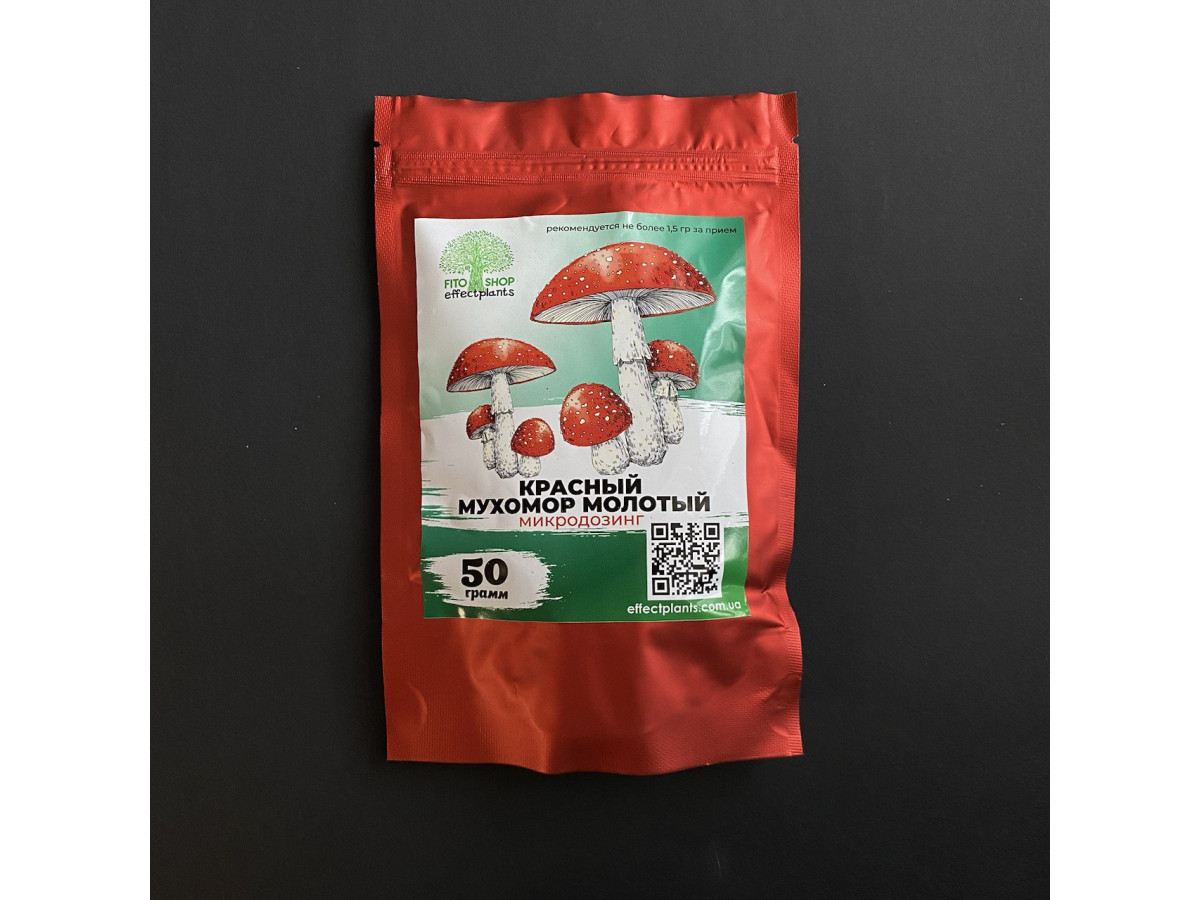
Fly agaric microdosing is a practice that is gaining popularity among those who are looking for gentle ways to restore, stabilize their psycho-emotional state, and deeply work with themselves. One of the first questions a person faces on this path is the choice of form: capsules or powder. Each format has its own characteristics, advantages, and nuances.
Microdosing Forms: The Essence of the Differences
Fly agaric can be used in different forms: in the form of capsules, powders, tinctures, tea, and even extracts. However, capsules and dry powders remain the most common in microdosing. The choice between them largely determines convenience, dosage accuracy, and personal rhythm of practice.
Capsules: accuracy and comfort
The encapsulated format is microdoses that are already measured and enclosed in a gelatin (or vegetable) shell. This approach is especially convenient for those who value stability and predictability.
Pros of capsules:
- Accurate dosage. Each capsule contains a fixed amount of mushroom powder, which eliminates the risk of accidental overdose.
- Convenience. No need to weigh or prepare anything - just take the capsule on schedule.
- Lack of taste and smell. Fly agaric has a specific aroma and taste, which are completely neutralized in capsules.
- Discreteness. Capsules are easy to take with you and use at any time without unnecessary attention.
Cons:
- Lack of flexibility - it is difficult to manually adjust the dose.
- It all depends on the quality of the initial raw materials and the manufacturer.
Powder: flexibility and "contact" with the substance
Dry fly agaric powder is a crushed mushroom, most often dried manually or naturally. This format is more suitable for those who want to have more control over the process, as well as consciously include preparation and intake in their practice.
Pros of powder:
- Flexible dosage. You can independently vary the amount depending on the condition and stage of the course.
- Visible raw materials. It is possible to visually assess the color, consistency, quality.
- Connection with the ritual. Preparation and intake become part of a conscious process.
Cons:
- Precise weighing is required.
- Inconvenient on the road or in a busy rhythm.
- The taste and smell may be unpleasant for sensitive people.
Format and perception: physical and mental response
It is interesting that even the method of intake affects the perception of the effect. For some people, the taste and aroma of mushroom powder is part of contact with a natural substance. This can increase attention to the process, trigger physical memory and deepen work on yourself.
On the other hand, the capsule makes the intake more neutral and smooth, especially for those who do not want to emotionally react to taste or texture. This approach reduces barriers at the beginning of the practice and makes microdosing more stable.
How to choose the format for yourself?
The choice depends on personal priorities and experience level.
The capsule format is often suitable for beginners - it is safer, easier to use and allows you to enter the practice without technical difficulties.
More experienced practitioners can choose powder to flexibly adjust the dosage, try different schemes and prepare mixtures themselves.
A combined approach is also possible: capsules - for everyday use, powder - for special practices or weekends when there is time to adjust.
Fly agaric in capsules and powder are two working formats of microdosing, each of which has its own advantages. One provides stability and accuracy, the other - flexibility and awareness. It is important not only to choose a convenient format, but also to tune in to a respectful, attentive interaction with the substance. After all, microdosing is not just a technique, but a subtle practice that requires inner silence, observation and self-care.
Write a comment