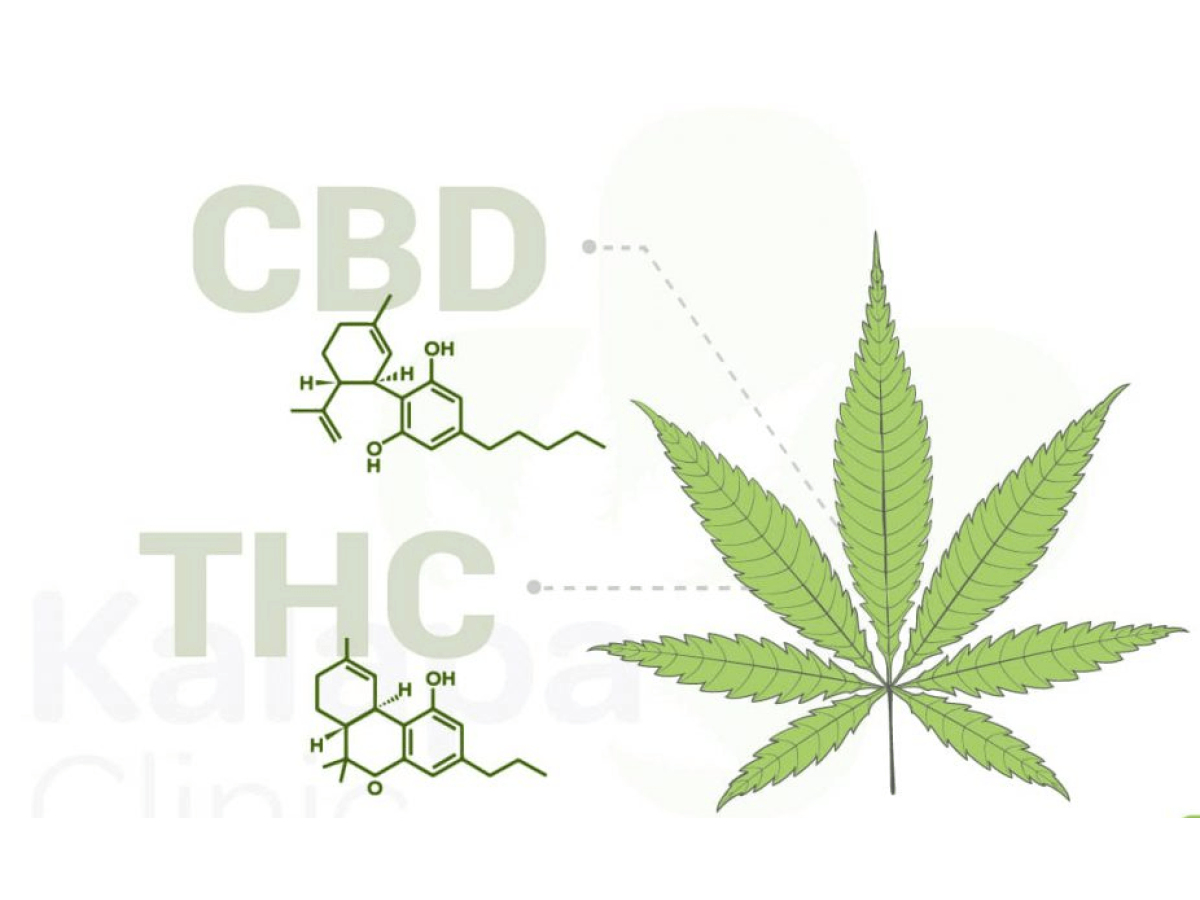
CBD and THC are the two most well-known cannabinoids from the Cannabis sativa plant. They have a similar origin, but interact with the body in different ways. The main difference is simple: THC has a pronounced psychoactive effect, while CBD does not create the characteristic state of euphoria and intoxication.
It is precisely because of this difference that products containing cannabidiol and THC should not be considered interchangeable. They differ in composition, legal status, possible effects, risks, and areas of application.
In this Effectplants article, we will analyze how CBD differs from THC, how they interact with the endocannabinoid system, and what to look for when choosing cannabinoid products.
What is CBD in simple words?
CBD , or cannabidiol, is a natural phytocannabinoid in hemp. It does not cause the intoxicating effects typical of THC and is being actively studied for its interactions with the nervous, immune, and other physiological systems.
It’s important to distinguish between common CBD wellness products and standardized pharmaceuticals. The best-proven medical use of purified cannabidiol today is in the prescription drug Epidiolex for certain rare forms of epilepsy. This doesn’t mean that all CBD oil treats the same conditions.
What is THC?
THC, or tetrahydrocannabinol, is another naturally occurring cannabinoid in Cannabis sativa. It is primarily responsible for the altered perception, euphoria, and other psychoactive effects of cannabis.
THC interacts more strongly with CB1 receptors, which are widely distributed throughout the central nervous system. This results in a more pronounced effect on attention, coordination, short-term memory, and perception.
CBD and THC: the main differences
| Characteristic | CBD | THC |
|---|---|---|
| Full name | Cannabidiol | Tetrahydrocannabinol |
| Psychoactive effect | Does not create a typical state of intoxication | May cause euphoria and altered perception |
| Interaction with CB1 | Indirect and more complicated | Expressed interaction |
| Impact on cognitive function | Does not have a typical intoxicating effect | May temporarily impair attention, memory, and coordination |
| Medical application | There are some approved prescription drugs | There are THC-containing or THC-like prescription drugs for certain indications |
| Risk of unwanted mental effects | Lower, but adverse reactions are possible | Higher, especially at high doses and prone to anxiety |
How do CBD and THC affect the endocannabinoid system?
The endocannabinoid system is involved in the regulation of many processes, including sleep, appetite, pain perception, mood, and immune responses. It includes CB1 and CB2 receptors, endogenous cannabinoids, and enzymes.
THC largely exerts its effects through CB1 receptors. CBD is much more complex and is not simply a direct analogue of THC. Its mechanisms involve interactions with multiple signaling pathways, so the phrase “CBD simply blocks or activates CB receptors” is oversimplified.
Impact on emotional state and perception
THC can cause relaxation and euphoria, but the reaction depends on the amount, composition of the product, and individual sensitivity. Some users may experience anxiety, panic, disorientation, or paranoia.
CBD does not create such an intoxicating state. That is why it is more often chosen by people who want to avoid pronounced changes in consciousness. At the same time, this does not mean the complete absence of side effects: cannabidiol can cause drowsiness, changes in appetite, diarrhea and interact with medications.
CBD and THC and the effects on attention and coordination
THC can temporarily alter your reaction time, coordination, and ability to concentrate. Therefore, you should not drive or operate machinery after using THC-containing products.
CBD does not have this typical psychoactive profile, but it can cause drowsiness or decreased alertness in some people, so reactions to a new product should be evaluated on an individual basis.
Are CBD and THC addictive?
With THC, the situation is more complicated: regular use of cannabis with a high THC content has been linked to the development of cannabis use disorder in some people. The risk depends on the frequency of use, age of onset, THC concentration, and individual factors. :contentReference[oaicite:3]{index=3}
CBD does not have the recreational potential of THC, but that does not mean that any CBD product is completely safe. It is especially important to consider drug interactions and effects on the liver.
Where are cannabidiol and tetrahydrocannabinol used?
Cannabinoids are being researched and used in a variety of ways, but it is important not to extrapolate research results from specific drugs to any cannabis product.
For example, purified CBD is used in a prescription drug for certain forms of epilepsy. Certain drugs based on synthetic THC or related compounds are approved in the US for nausea and vomiting associated with chemotherapy, as well as for appetite loss in HIV/AIDS.
Why is it incorrect to say that CBD is “better” than THC?
This comparison oversimplifies the subject. CBD and THC have different properties and are used in different contexts. If the goal is to avoid intoxication, CBD has a clear advantage. But that doesn’t mean it’s automatically more effective than THC in all medical or functional scenarios.
It is more accurate to compare specific products, composition, concentration, intended use, and evidence base.
CBD, THC and CBG: where is cannabigerol?
In addition to CBD and THC, Cannabis sativa contains many other cannabinoids. One of them is CBG, or cannabigerol . It is often referred to as the “mother cannabinoid,” although it is more accurate to refer to CBGA, cannabigerolic acid, which is the biosynthetic precursor to the acid forms of CBD and THC.
CBG is typically found in relatively small amounts in the mature plant. It does not have the typical intoxicating effects of THC and is being actively studied for its interactions with CB1, CB2, and other receptor systems. However, the clinical evidence base for CBG is much weaker than for CBD.
CBD, CBG and THC - a brief comparison
| Parameter | CBD | CBG | THC |
|---|---|---|---|
| Cannabinoid | Cannabidiol | Cannabigerol | Tetrahydrocannabinol |
| Typical intoxication effect | No | No | Yes |
| Level of research | Relatively high | While limited | High |
| Content in the plant | Can be significant in special varieties | Usually small | Depends on the variety |
| The main interest of researchers | Nervous system, epilepsy, inflammation, other areas | Inflammation, nervous system, metabolic and other processes | Pain, appetite, nausea, psychoactive effects |
What is CBG oil?
CBG oil is a product that claims to contain cannabigerol dissolved in a base oil. Due to the low natural concentration of CBG in most plants, such products are often more difficult and expensive to produce.
CBG is being studied for potential anti-inflammatory, neuroprotective, antibacterial, and other biological activities. Most of this data currently comes from laboratory or preclinical studies, so CBG should not be presented as a proven treatment for arthritis, glaucoma, cancer, or other diseases.
How to choose between CBD and CBG?
CBD has a much broader evidence base and a wider range of products. CBG may be of interest to people looking to explore less common cannabinoids or combination formulas.
When choosing, it is not advertising promises that are important, but concentration, composition, absence of unwanted THC, laboratory test results, and manufacturer recommendations.
What to look for when choosing a cannabinoid product?
- the exact amount of CBD, CBG or other cannabinoids;
- information about THC;
- type of extract — isolate, broad spectrum or full spectrum;
- origin of raw materials;
- laboratory tests and certificates;
- full composition of the base oil;
- no unfounded promises of treatment.
Effectplants offers THC-free cannabinoid products and functional formulas with different active ingredients. Before purchasing, you can compare the composition and concentration and get advice on the range.
FAQ: Frequently Asked Questions about CBD, THC and CBG
How is CBD different from THC?
The main difference is in the psychoactive effect. THC can cause euphoria and alter perception, while CBD does not create the characteristic state of intoxication.
Are CBD and THC the same substance?
No. These are different cannabinoids with different mechanisms of action and effect profiles.
Can you get a "high" from CBD?
CBD itself does not have the typical intoxicating effects of THC. However, it is important to check the ingredients of a particular product for the presence of THC.
Is CBD safe?
CBD may be well tolerated by many people, but it is not completely risk-free. There are possible side effects such as drowsiness, diarrhea, appetite changes, liver effects, and drug interactions.
What is CBG?
CBG is a cannabigerol, one of the less common cannabinoids in cannabis. It does not have the typical psychoactive effects of THC and is being actively researched.
How is CBG different from CBD?
These are different molecules with different receptor interaction profiles. CBD is much better studied clinically, while much of the data on CBG still comes from laboratory and preclinical work.
Why is CBG oil often more expensive?
CBG is usually found in smaller quantities in the plant, so it can be more difficult to obtain and standardize.
Which is better — CBD or CBG?
There is no universal answer. The choice depends on the product composition, concentration, purpose of use, and individual characteristics.
Can CBD and CBG be combined?
There are combined CBD + CBG formulas. Before use, you should follow the manufacturer's recommendations, and if you regularly take medication, consult a doctor.
CBD, THC and CBG: what to remember
CBD, THC and CBG come from the same plant but have different biological profiles. THC has a pronounced psychoactive effect. CBD does not produce it and has the largest clinical evidence base among non-psychoactive cannabinoids. CBG is a promising but still much less studied component.
When choosing cannabinoid products, focus on composition, certifications, concentration, and real evidence, not promises of universal cures. In the Effectplants catalog, you can compare THC-free cannabinoid products and get help choosing.
Important: the information is for informational purposes only. Effectplants products are not medicinal products and are not intended for the diagnosis, treatment or prevention of diseases.
Write a comment